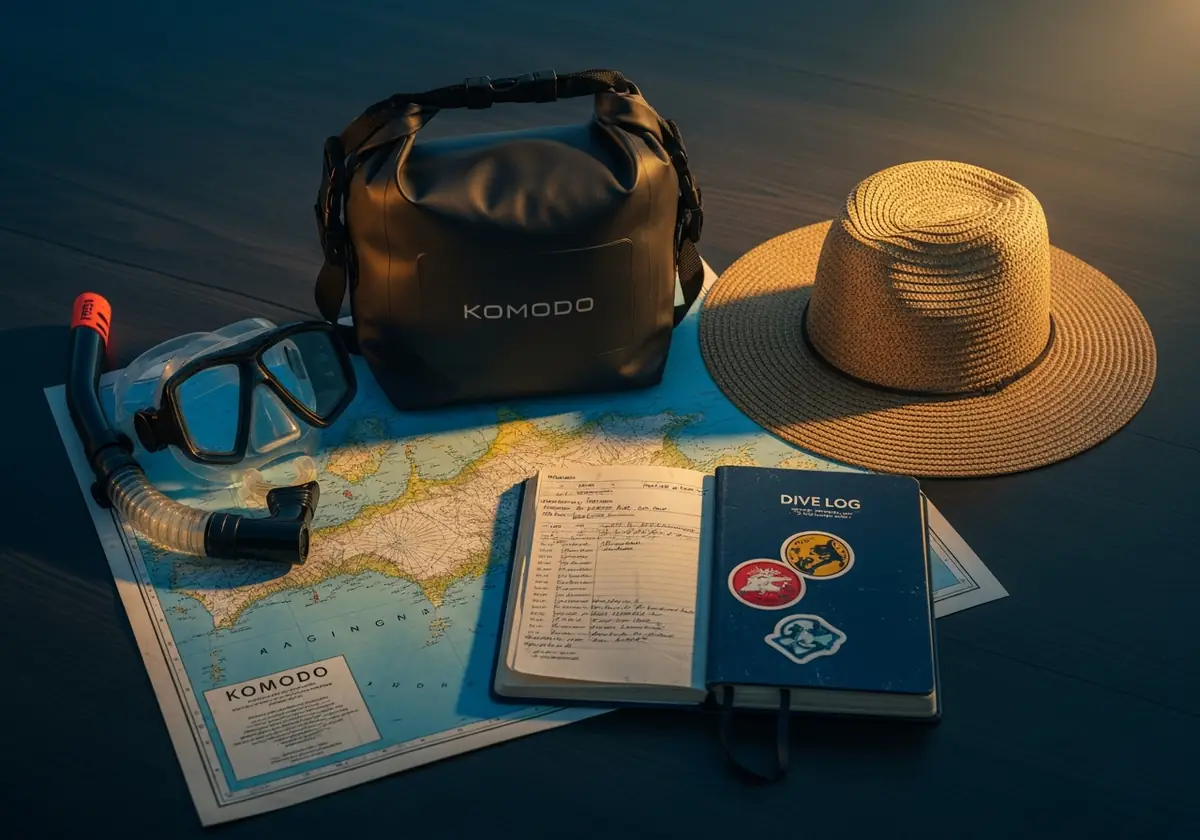
starting on a Komodo liveaboard offers an genuine opportunity to explore the rich biodiversity of Komodo National Park. However, preparation is key to enjoying this once-in-a-lifetime experience. Here’s a comprehensive packing list to ensure you have a smooth and enjoyable journey.
Understanding the Essentials
1. Diving Gear
- Mask, Snorkel, and Fins: While most liveaboards provide these, having your own ensures comfort and fit.
- Wetsuit: A 3mm wetsuit is usually sufficient for the warm waters of Komodo, but consider a 5mm if you feel the cold easily, especially for deeper dives.
- BCD and Regulator: Again, provided by many operators, but personal gear is recommended for familiarity and hygiene.
- Dive Computer: Essential for tracking your dives safely.
2. Clothing and Personal Items
- Lightweight Clothing: Consider breathable fabrics, such as cotton, for the warm, tropical climate.
- Swimwear: Bring several sets, as you will be in and out of the water frequently.
- Deck Shoes or Sandals: Non-slip footwear is recommended for safety on board.
- Sun Protection: High-SPF sunscreen, lip balm, and a wide-brimmed hat are musts to protect against the intense equatorial sun.
- Insect Repellent: To keep pesky insects at bay, particularly on shore excursions.
3. Documentation and Finances
- Passport and Visa: Ensure your passport is valid for at least six months beyond your trip.
- Travel Insurance: This is crucial, especially for diving-related activities.
- Cash and Cards: The entry fee to Komodo National Park is approximately USD 150, and having local currency on hand is useful for small purchases.
Electronics and Extras
4. Photography Gear
Underwater photography can enhance your diving experiences. Consider a waterproof camera or housing for your existing gear. Bring spare batteries and memory cards, as these can be hard to replace on board.
5. Gadgets and Chargers
- Universal Adapter: Ensure you can charge your devices, as plug types may vary.
- Portable Power Bank: Useful for charging devices during land excursions.
Practical Tips for an Enjoyable Trip
6. Health and Safety
- First Aid Kit: While boats have them, having personal supplies such as motion sickness tablets, pain relievers, and any personal medications is wise.
- Reef-Safe Sunscreen: Protect both your skin and the delicate marine environment at sites like Manta Point and Batu Bolong.
7. Comfort and Convenience
- Earplugs and Sleep Mask: To ensure restful sleep amidst the gentle hum of the ocean.
- Reusable Water Bottle: Stay hydrated while reducing plastic waste.
Must-Visit Dive Sites in Komodo
8. Crystal Rock
Renowned for its stunning coral formations and diverse marine life, Crystal Rock is a highlight for many divers. Expect encounters with white-tip reef sharks and vibrant schools of fish.
9. Castle Rock
Another iconic site, Castle Rock is known for strong currents that bring in big pelagics like trevally and barracuda. It’s a thrilling dive for those seeking adventure.
2026 Update: Navigating New Regulations
As of 2026, it’s important to verify the latest park entry fees and regulations with your operator. These can fluctuate, impacting budgeting and planning. Always confirm before arrival.
Preparing for Your Komodo Experience
Whether you’re planning a short adventure to Padar and Rinca Islands or an extended dive cruise through Komodo’s stunning waters, packing thoughtfully is key. For more details or to tailor your trip, plan your Komodo liveaboard on WhatsApp.
Exploring Unique Marine Biodiversity
10. Manta Alley
Manta Alley offers divers the chance to swim alongside graceful manta rays. This site is famous for its cleaning stations where mantas gather, providing an unforgettable underwater spectacle.
11. Batu Tiga
Batu Tiga is known for its rugged underwater terrain and the opportunity to spot larger pelagic species. It’s a challenging dive site best suited for advanced divers.
Crafting Your Ideal Komodo Liveaboard Itinerary
Planning your Komodo liveaboard adventure involves more than just packing. Understanding the itinerary can make or break your experience. Most trips sail from the harbour in Labuan Bajo, which is approximately 3 km or a 10-15 minute drive from the Komodo Airport (LBJ). The best season to explore these waters is from April to November, when conditions are optimal.
Typical Komodo liveaboard itineraries span 4 to 7 days, allowing ample time to explore multiple dive sites and enjoy the stunning landscapes. Here’s a sample itinerary to give you an idea:
- Day 1: Depart from Labuan Bajo, begin with a warm-up dive at Kanawa Island, overnight sail to Padar Island.
- Day 2: Trek on Padar Island during sunrise, dive at Batu Bolong, afternoon dive at Manta Point, overnight at Komodo Island.
- Day 3: Visit Rinca Island for a trek to see Komodo dragons, dive at Castle Rock and Crystal Rock, sail towards Pink Beach.
- Day 4: Morning dive at Cannibal Rock, leisure time at Pink Beach, return to Labuan Bajo.
For more details on customising your trip, visit our Komodo liveaboard itinerary page.
Essential Dive Gear and Equipment for Komodo Waters
When preparing for a Komodo dive cruise, the gear you bring can significantly impact your underwater experience. The waters around Komodo National Park are rich in marine biodiversity and present varying conditions, making the right equipment essential.
While many liveaboards provide rental equipment, bringing your own ensures comfort and familiarity. Consider packing the following:
- Wetsuit: A 3mm full wetsuit is generally suitable, but a thicker one may be preferred during cooler months.
- Dive Computer: Critical for tracking your dive profile amid Komodo’s currents.
- Reef-Safe Sunscreen: Protect your skin and the marine life.
- Surface Marker Buoy: Essential for safety given the strong currents in sites like Crystal Rock and Castle Rock.
For a comprehensive list of diving essentials, visit our Komodo liveaboard diving page.
Understanding the Komodo National Park Entry Fees
Before setting out on your Komodo liveaboard adventure, it’s important to budget for the Komodo National Park entry fees. These are approximately USD 10, but fees are subject to change and may vary for foreigners. These fees contribute to the conservation of the park’s unique ecosystem and the protection of its diverse marine life.
Here’s a quick overview of what the entry fees cover:
| Fee Type | Approximate Cost (USD) | Description |
|---|---|---|
| Park Entry | 10 | General admission to Komodo National Park areas. |
| Diving Fee | Varies | Additional charges per dive site for marine conservation efforts. |
Ensure you check for the latest updates on fees when planning your trip. More details can be found on our Komodo liveaboard price page.
For tailored advice and itinerary planning, feel free to plan your Komodo liveaboard on WhatsApp.
Timing Your Itinerary for the Best Experience
When planning your Komodo liveaboard adventure, optimising your itinerary based on weather and marine life activity is crucial. The best season to explore Komodo is between April and November, when conditions are ideal for both diving and sightseeing. Here’s a suggested itinerary to help you make the most of your journey:
- Day 1: Depart from Labuan Bajo Harbour, which is conveniently located just 3 km from Komodo Airport (LBJ). Begin your adventure by heading to Padar Island for a stunning sunrise trek.
- Day 2: Dive at Batu Bolong in the morning. This site is famous for its colourful coral gardens and abundant marine life. After lunch, head to Pink Beach for snorkelling and relaxation.
- Day 3: Spend the day at Manta Point, where you can witness the majestic manta rays. In the afternoon, sail to Kanawa Island for some leisure time on its pristine beaches.
- Day 4: Dive at Castle Rock and Crystal Rock. These sites are renowned for their strong currents and vibrant schools of fish. Overnight near Rinca.
- Day 5: Visit the Komodo dragons on Rinca Island in the morning, then enjoy a final dive at Cannibal Rock, known for its diverse marine life.
For more details on crafting your itinerary, visit our Komodo Liveaboard Itinerary page.
Exploring the Highlights of Komodo’s Dive Sites
Diving in Komodo National Park is a bucket-list experience, with sites offering a variety of marine biodiversity and unique underwater landscapes. Here are some must-visit locations:
| Dive Site | Highlights |
|---|---|
| Batu Bolong | Colourful coral gardens, large pelagic fish, and diverse marine life. |
| Castle Rock | Strong currents, schooling fish, and potential encounters with sharks. |
| Crystal Rock | Clear waters, vibrant coral reefs, and turtles. |
| Manta Point | Frequent sightings of manta rays and excellent visibility. |
| Cannibal Rock | Rich biodiversity, including macro life and unusual critters. |
To explore more about these sites, check our Komodo Liveaboard Diving page.
Maximising Your Onboard Experience
A Komodo liveaboard cruise is not just about diving; the onboard experience is equally important. Here are some tips to enhance your time on the vessel:
- Choose the Right Vessel: Consider options like the luxury Phinisi liveaboard for a premium experience with extra amenities.
- Engage with the Crew: The crew can offer invaluable insights into local culture and marine life, enriching your journey.
- Relax and Rejuvenate: Take advantage of the downtime between dives to relax on the sundeck or enjoy a massage service, if available.
- Culinary Delights: Enjoy the diverse cuisine options provided onboard, which often include both local and international dishes.
For more information on liveaboard options and prices, visit our Komodo Liveaboard Price page. To start planning your Komodo liveaboard, plan your Komodo liveaboard on WhatsApp.