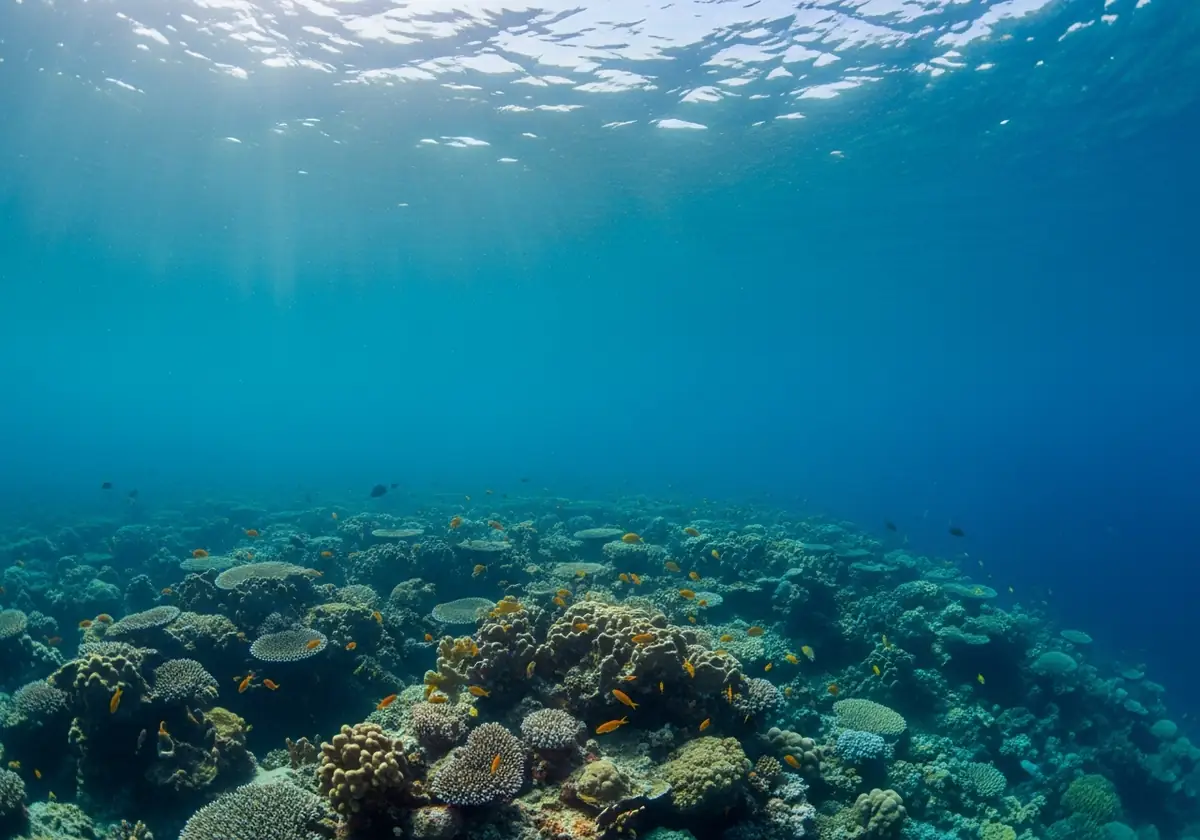
Komodo National Park is a diver’s paradise, offering stunning underwater landscapes and a rich diversity of marine life. Determining the best time for Komodo diving involves understanding seasonal variations in visibility, marine life activity, and weather conditions. Whether you’re keen to explore vibrant coral reefs or encounter majestic manta rays, timing your visit appropriately can enhance your overall experience.
Best Time for Komodo Diving
The best season for Komodo diving spans from May to October, during the dry season. This period is celebrated for its exceptional visibility, often ranging from 20 to 30+ meters, particularly at renowned northern sites like Batu Bolong, Castle Rock, and Crystal Rock. These conditions are ideal for observing pelagic species and the vibrant marine ecosystem that Komodo is famous for.
Visibility and Water Conditions
- May to October: Experience the clearest waters and moderate to strong currents. This is the prime time for northern site exploration.
- November to April: While the rainy season may reduce visibility to 10-15 meters, it’s the peak time for manta ray sightings, particularly at Manta Point and Mawan.
- March to August: Offers an overlap of manta activity with opportunities to dive northern sites.
The water temperature generally remains between 25-29°C, with the coolest months being July and August due to upwelling. However, divers can expect slightly cooler temperatures of 22-25°C in southern sites during these months.
Seasonal Dive Site Highlights
Northern Komodo Sites
During the dry season, divers should prioritize northern sites:
- Batu Bolong: Known for its strong currents, this site boasts vibrant reefs and regular shark sightings.
- Castle Rock & Crystal Rock: Both sites offer excellent visibility and are frequented by pelagic species.
Southern Komodo Sites
The rainy season shifts focus to the southern sites, where manta rays congregate:
- Manta Point: A hotspot for manta ray encounters, best visited from December to April.
- Mawan & Manta Alley: Additional sites ideal for manta sightings.
Unique Marine Life Encounters
Komodo National Park offers divers a chance to encounter a diverse array of marine life, from the elusive pygmy seahorse to the graceful giant trevally. Night dives reveal the park’s vibrant nocturnal ecosystem, where species like the Spanish dancer and bobtail squid thrive. Macro enthusiasts will delight in spotting nudibranchs and frogfish hidden among the reefs.
Planning Your Liveaboard Trip
Starting from Labuan Bajo, a harbour conveniently located just 3 km from Komodo Airport, the best way to experience the park is aboard a liveaboard vessel. Prices for a dive cruise start from USD 900 per person. For those seeking flexibility, open or sharing cabins are available from USD 450 per person.
Choosing the Right Itinerary
- 3D2N Liveaboard: Starting from USD 550, ideal for short getaways.
- 4D3N Liveaboard: Offers a deeper dive into northern sites, priced from USD 750.
- 7D6N Liveaboard: From USD 1600, perfect for comprehensive park exploration.
- 9D8N and 11D10N Itineraries: Provide extensive coverage during transition periods, with pricing available upon request.
2026 Update: Current Conditions
As of 2026, the park entrance fee remains at approximately USD 10 for foreigners, though rates may vary. Divers are encouraged to verify the latest conditions and costs with their tour operator.
Experience Luxury with Komodo Liveaboard
Our vessels offer luxurious accommodations with double or twin cabins featuring air conditioning, hot water, and private bathrooms. Enjoy premium amenities such as sun decks and dedicated dining areas, ensuring a comfortable and memorable journey.
Essential Dive Safety Tips
Safety is paramount when diving in Komodo. Divers should always carry a surface marker buoy (SMB) due to the strong currents. It’s advisable to dive with a buddy and a knowledgeable guide familiar with the park’s conditions. Regularly checking dive equipment and being aware of personal limits can ensure a safe and enjoyable dive experience.
Plan Your Adventure
For those ready to explore the wonders of Komodo, plan your Komodo liveaboard on WhatsApp with Komodo Liveaboard Luxury. Our expert team is here to tailor your diving experience to match your preferences and the season’s highlights.
Understanding Komodo’s Weather Patterns
While planning your Komodo liveaboard diving adventure, understanding the region’s distinct weather patterns can enhance your experience. Komodo National Park, part of the Lesser Sunda Islands, experiences a tropical climate with a dry season from April to November and a rainy season from December to March. The dry season is generally considered the best time for diving, offering optimal visibility and calmer seas.
During the dry season, expect clear skies and minimal rainfall, making this period ideal for uninterrupted diving and sightseeing excursions. Water temperatures range from 27 to 30°C, providing comfortable conditions for divers. The rainy season, though less favourable for diving due to reduced visibility and choppier waters, can still offer unique underwater encounters for those willing to adapt.
The region’s microclimates can vary, affecting dive site conditions. Northern sites like Castle Rock and Crystal Rock often enjoy calm conditions earlier in the season, while southern sites such as Cannibal Rock may offer exciting encounters later in the year. It’s essential to adapt your itinerary according to these patterns for the best experience.
For more detailed planning, explore our Komodo liveaboard itinerary options.
Sample Itinerary: A Week of Diving Bliss
An ideal Komodo liveaboard itinerary balances exploration and relaxation, ensuring you experience the park’s diverse marine life and stunning landscapes. Here’s a sample week-long itinerary:
| Day | Activity |
|---|---|
| 1 | Arrive in Labuan Bajo, start on the liveaboard, evening dive at Kanawa |
| 2 | Dives at Batu Bolong and Manta Point, sunset at Pink Beach |
| 3 | Explore Castle Rock and Crystal Rock, snorkel with mantas |
| 4 | Visit Padar Island, afternoon dive at Cannibal Rock |
| 5 | Morning trek on Rinca, afternoon dives at southern sites |
| 6 | Relax on the beach, final dives at favourite sites |
| 7 | Return to Labuan Bajo, disembark |
This itinerary provides a glimpse of the adventures awaiting you. For bespoke plans, visit our Komodo dive cruise page.
Choosing Dive Sites for Skill Levels
Komodo National Park offers dive sites suitable for various skill levels, making it accessible for both beginners and seasoned divers. Understanding the difficulty of each site helps tailor your diving experience.
Beginner Divers:
- Kanawa: Ideal for novices, with gentle currents and shallow reefs.
- Manta Point: Offers close encounters with mantas in calm waters.
Intermediate Divers:
- Batu Bolong: Features strong currents but rewards with vibrant coral and fish life.
- Pink Beach: Known for its unique sand and moderate currents.
Advanced Divers:
- Castle Rock: Demands experience with currents, offering thrilling pelagic encounters.
- Crystal Rock: Offers dramatic topography and abundant marine life, requiring advanced skills.
Whether you’re a novice or an expert, Komodo promises unforgettable underwater experiences. For further assistance with planning your trip, visit our Komodo liveaboard diving page.
To discuss your ideal itinerary or make a booking, plan your Komodo liveaboard on WhatsApp.